The inquiryHub team believes that creating a more equitable education system requires us to work together toward a future that puts all students at the center of their learning.

Our Vision
We work to co-create a world where every student can see how their own values, experiences, and perspectives can enrich STEM learning and bring about a more just and sustainable world. We want to prepare students not for what STEM is today, but what it could be if it were inclusive and focused on helping build thriving communities.
Our Beliefs
We practice co-design.
Our materials, professional learning workshops, and events engage participants as co-creators, which strengthens their understanding, commitment, and agency.
We lead with care and respect.
No change happens that does not begin and end with human relationships grounded in care for others and with respect for the dignity of all who show up at our events and workshops. We embrace new technologies while keeping human beings at the center.
We use research to continuously improve what we do.
Our workshops and events are grounded in decades of research on how people learn and how effective organizations adapt to change. We conduct research, in partnership with schools, in order to improve our own processes and products.
We are committed to equity.
For us, equity means many things. It means ensuring all students have access to high-quality instructional materials and feel a sense of belonging to classroom communities that affirm who they are. It means acknowledging that STEM is one of many different ways of knowing and experiencing the world. It means that involvement in STEM can support movements toward justice and envisioning more sustainable ways of living on the planet.
Our Team
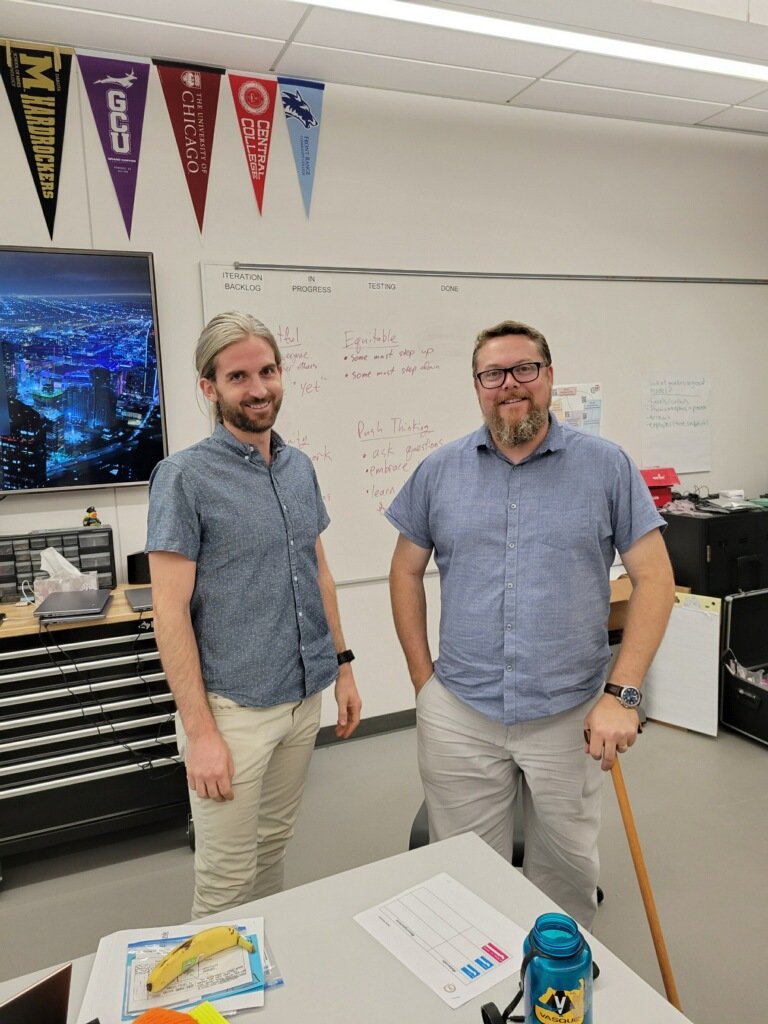
Our team includes award-winning teachers, subject matter experts in STEM, sought-after workshop leaders at national and international conferences, and leading scholars in STEM education. We led the development of OpenSciEd High School. We include a winner of the Presidential Awards for Excellence in Mathematics and Science Teaching and a member of the National Academy of Education. Our teams have won more than $70 million in grant funding from multiple sources, including for major research centers such as the NSF-funded National AI Institute for Student-AI Teaming.
-

Bill Penuel
Bill is Distinguished Professor of Learning Sciences and Human Development in the Institute of Cognitive Science at the University of Colorado Boulder and a co-founder of the inquiryHub research-practice partnership. He designs and studies curriculum materials, assessments, and professional learning experiences for teachers in STEM education, primarily in science. He also studies how contemplative practices and critical inquiry can support educators in cultivating more compassionate learning environments and schools. A third line of his research focuses on how long-term research-practice partnerships can be organized to address systemic inequities in education systems linked to race, gender and sexual diversity, and language.
-

Tamara Sumner
Tammy is the Director of the Institute of Cognitive Science and a Professor in Computer and Cognitive Science at the University of Colorado Boulder. She co-founded the inquiryHub research-practice partnership. She leads interdisciplinary research studying how advanced technologies including artificial intelligence can improve teaching practice, learning outcomes and learner engagement in STEM.
-
Kate Henson
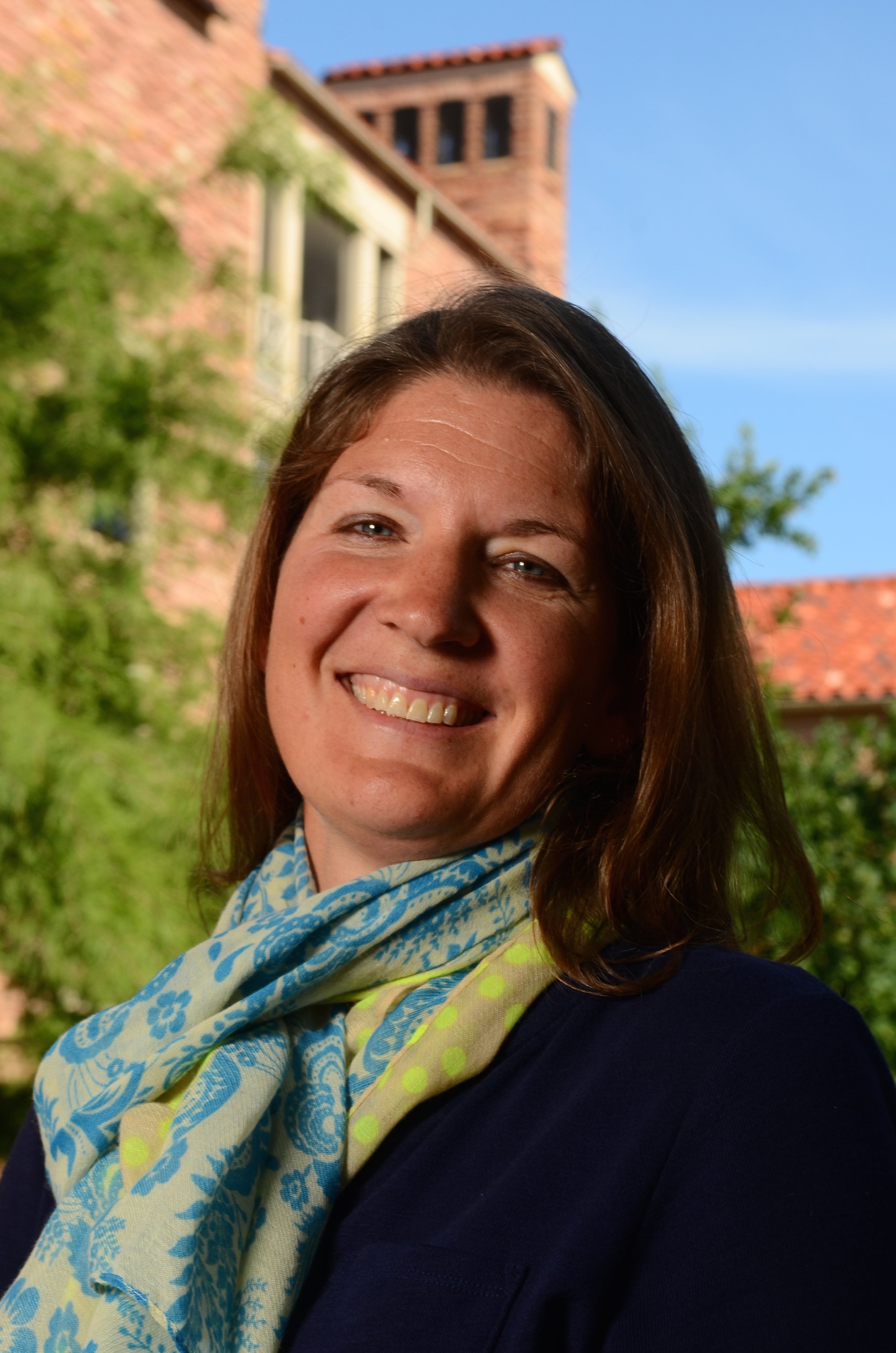
Kate is the Director of K-12 STEM Teaching and Learning for inquiryHub at the Institute of Cognitive Science at the University of Colorado Boulder. Her work focus on the design and implementation of science curriculum. She is passionate about science teacher professional learning and how districts can design systems to implement high quality instructional materials in science. Her work is informed by more than a decade in the high school science classroom and by her work as a practicing scientist.
-
Greg Benedis-Grab
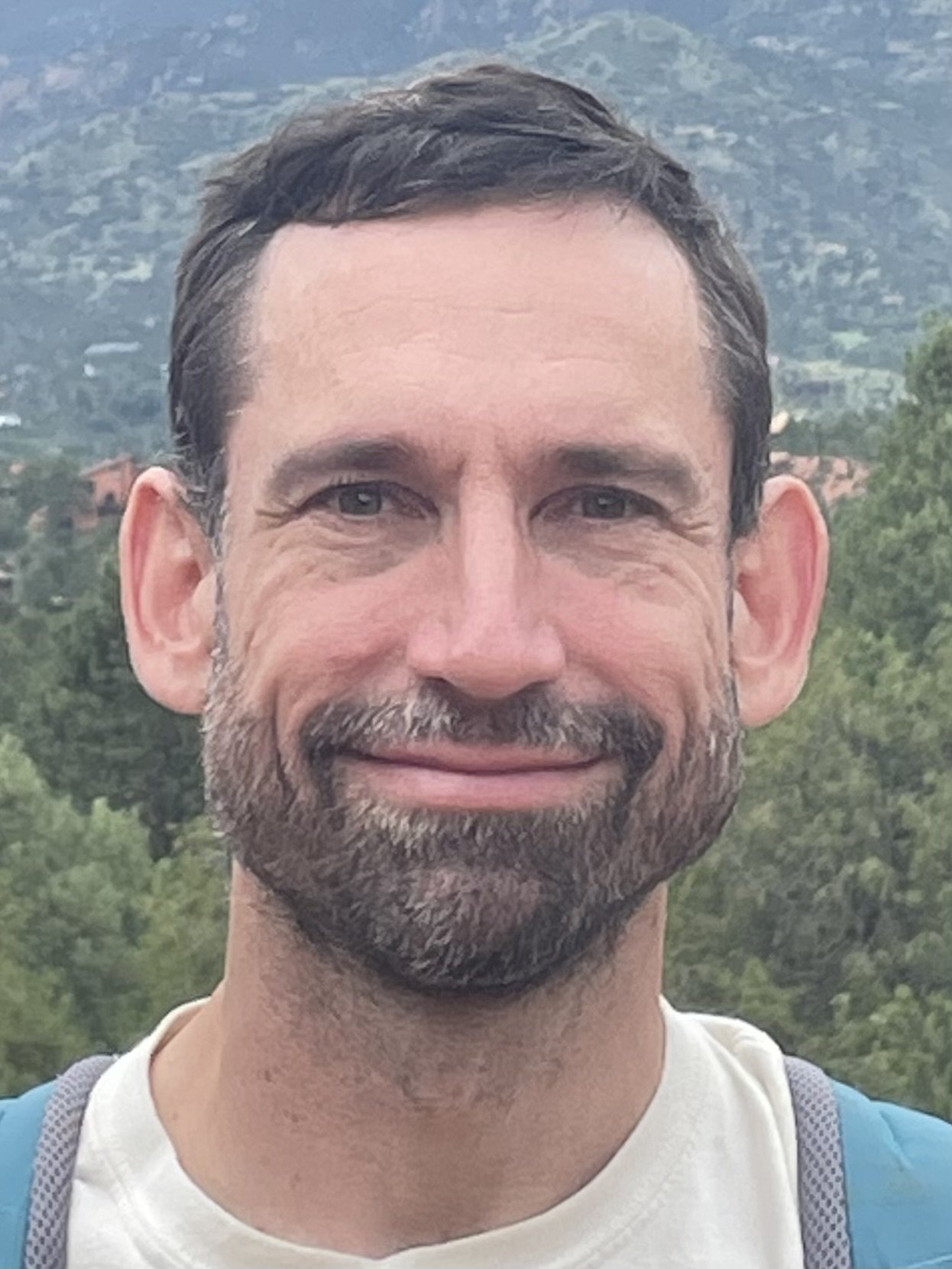
Greg is the Director of K-12 Computing and AI Initiatives for inquiryHub at the Institute of Cognitive Science at the University of Colorado Boulder. He leads the scaleup of SchoolWide Labs to bring their innovative program to districts across the U.S. Previously, Greg worked in schools as a teacher and administrator for 25 years. He led professional learning sessions in Science, STEM and CS globally. In 2010 he received the Presidential Award for Excellence in Science & Mathematics Teaching from Barack Obama.
-
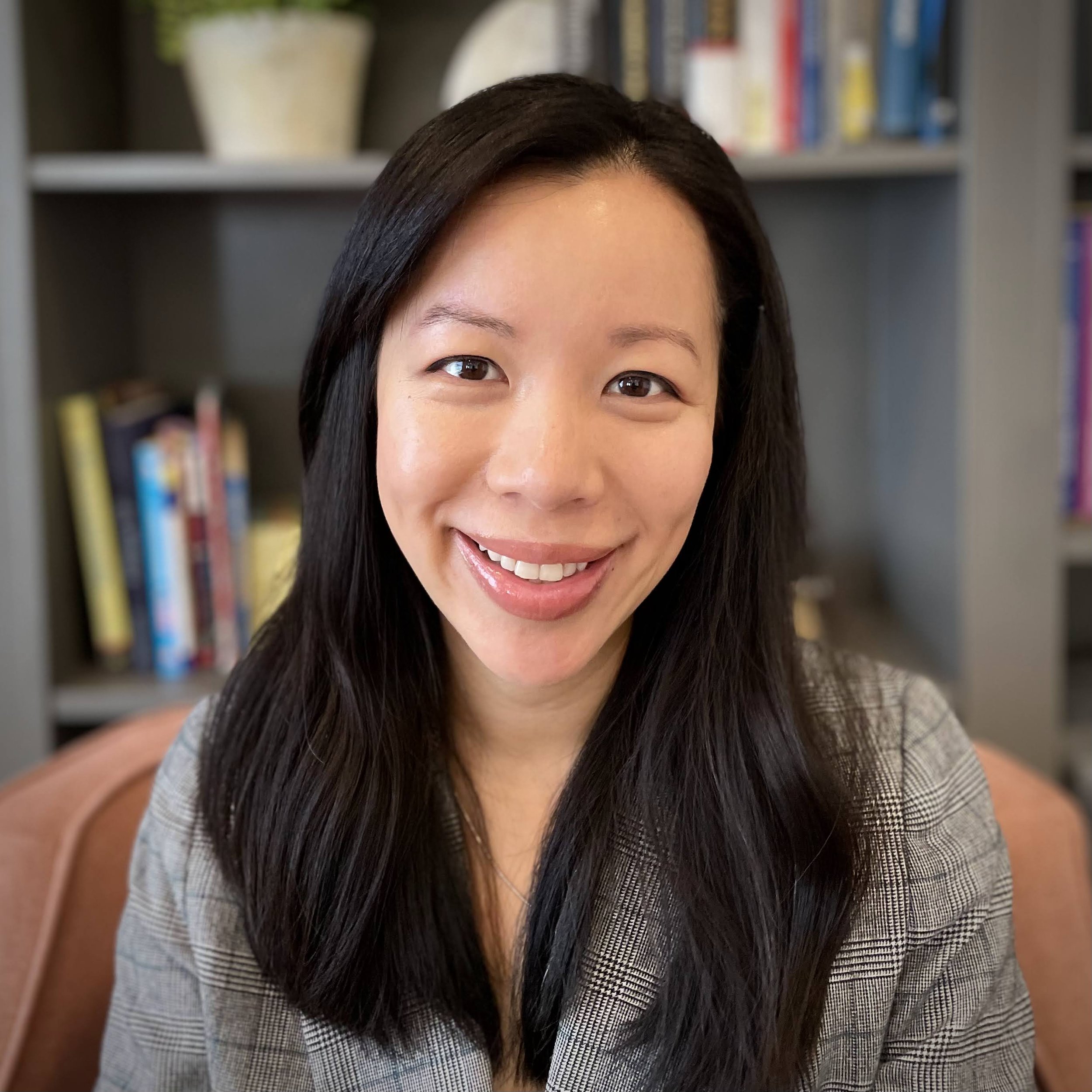
Mon-Lin Monica Ko
Monica is an Assistant Research Professor at the Institute of Cognitive Science at the University of Colorado Boulder. Her work focuses on promoting and studying classroom interactions that support students' engagement in disciplinary practices. She facilitates collaborative research activities on interdisciplinary teams that involve experts in the fields of learning sciences, science education, educational assessment, and disciplinary literacy. She also has extensive experience in designing and facilitating professional learning for teachers. Monica's work is informed by her prior experience as a high school biology teacher.
-

Jennifer Jacobs
Jennifer Jacobs is an Associate Research Professor at the University of Colorado Boulder in the Institute of Cognitive Science. Her research focuses on classroom teaching and learning of mathematics and science, and models of professional development to support teachers and their students. She works on a variety of iHub projects including SchoolWide Labs and the 5D assessment project.
-
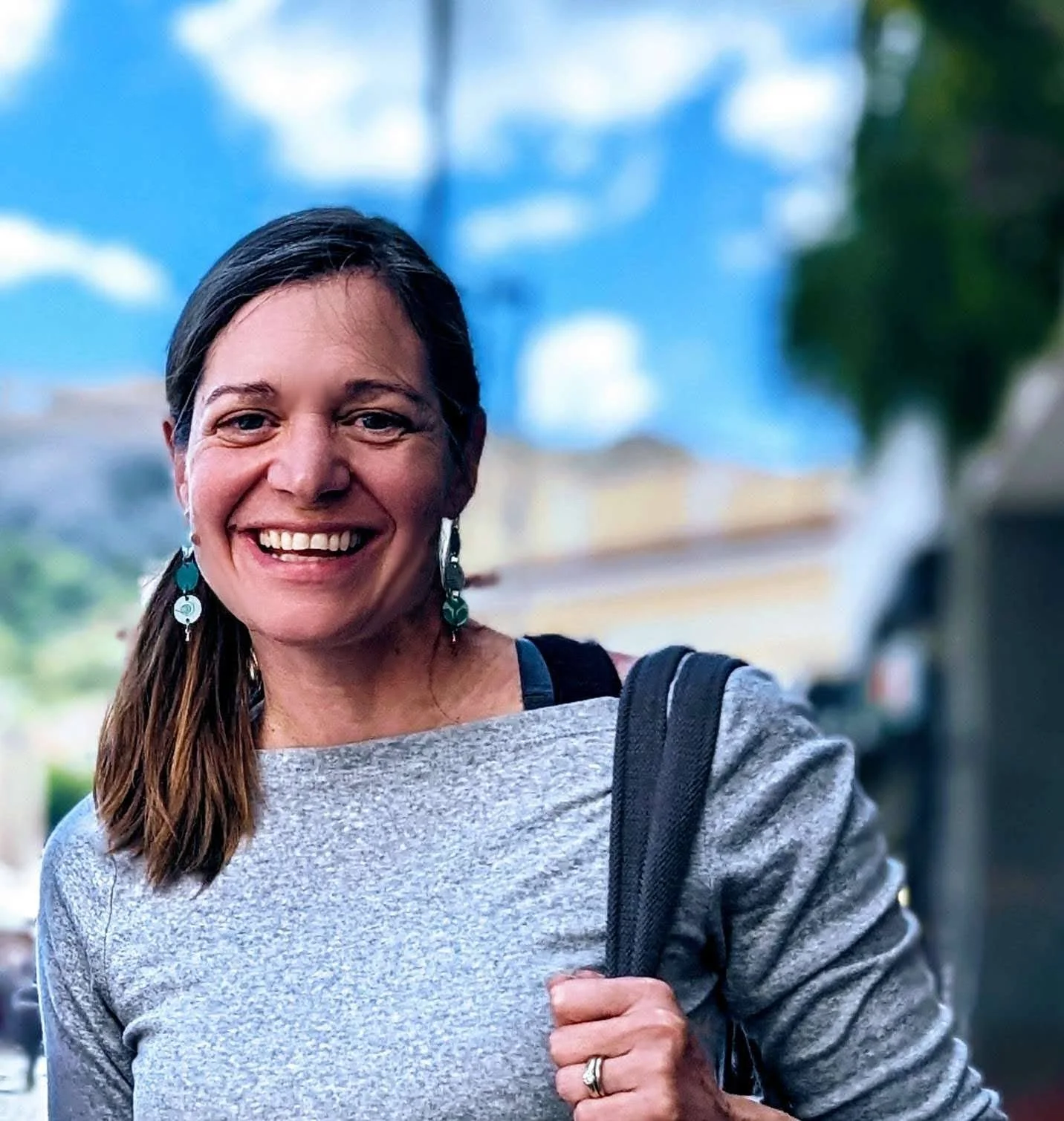
Erin Howe
Erin is the Program Manager for inquiryHub at the Institute of Cognitive Science at the University of Colorado Boulder. She supports multiple projects, including curriculum development, professional learning, and communications. Erin developed new education programs for school districts and universities, with particular emphasis on authentic learning and new teacher mentorship. Previously, as a high school teacher in Denver, Erin’s favorite course to teach was Senior Capstone, where students could dive deeply into topics of their choice and create projects with real impact.
-

Quentin Biddy
Quentin is an Assistant Research Professor in the Institute of Cognitive Science at the University of Colorado Boulder. He works across the following teams: Schoolwide Labs, STEMCC, iSAT, and iHUB. Projects include researching and developing open-source, co-designed storylines and resources to support high school and middle school science teachers. Those projects integrate computational thinking, physical computing, and AI. His research focuses on effective science learning and teaching, Phenomena-Driven learning, NGSS aligned 3D Learning and formative assessment, CT and AI integration, Pedagogical Content Knowledge, and teacher professional learning.
Messages from Our Team Leaders
Our History
inquiryHub began in 2007 and is one of the longest-running and most successful Research-Practice Partnerships (RPP) in education today. inquiryHub brings together researchers with a variety of backgrounds from multiple institutions, including school district leaders, teachers, students, and a host of community partners. The key institutional players in the inquiryHub RPP are Denver Public Schools and the University of Colorado Boulder. Other institutional partners who have contributed substantially over the years include the University Corporation for Atmospheric Research, BSCS, Northwestern University, and Utah State University. Community partners have included Project VOYCE, Denver Parks and Recreation, and The Park People.
Our Services
-

Curriculum-based PL and Implementation Support for OpenSciEd
-

SchoolWide Labs STEM Units and Professional Learning
-

Next Generation Assessment for STEM Learning