2025 Annual Report
Letter from our Leader
Kate Henson, PhD
Director, K-12 STEM Teaching & Learning
In a time of constant change in education, our commitment to prepare students to be scientists and innovators for a more just and sustainable world has remained steady—guiding how we partner with educators and support students.
This year marked an important shift in our work. Following the successful development and release of the nationally recognized OpenSciEd High School program, we turned our focus toward implementation—working alongside teachers, school leaders, and districts to bring these materials to life in classrooms. Our efforts centered not on one-time engagements, but on building sustained partnerships that strengthen instructional practice and support long-term success.
What stands out most is the power of collaboration. Across states and districts, we co-designed learning experiences, supported statewide initiatives, and explored how emerging technologies can enhance teaching and learning. At every step, we have remained committed to creating science classrooms where students’ identities, experiences, and questions are essential to the learning process.
While we have been privileged to build new and deepen existing partnerships, our foundation shook as the federal system for funding science and education research changed moment by moment. We were deeply affected by the cuts made at the National Science Foundation, National Institutes of Health and Department of Education to name just a few. We stood by with heavy hearts while our colleagues and collaborators moved on in hopes of finding more stable employment.
Somehow, amidst the chaos, we found our footing and are looking forward, excited by the opportunities ahead. We will continue expanding professional learning that supports high quality phenomenon-based instruction, refining assessment tools that better capture how students make sense of the world around them, and deepening long-term partnerships with districts to sustain high-quality implementation. At the same time, new research and emerging initiatives—including our work in co-design and the integration of AI in STEM education—will allow us to push our efforts in bold and innovative directions. Together with our partners, we remain committed to building a more equitable, responsive, and adaptable system of science education for all students.
We are committed to equity, and lead with care and respect.
In times of constant change, our values remain unchanged.
2025 marked a pivotal transition from developing the OpenSciEd curriculum to actively supporting teachers in its implementation.
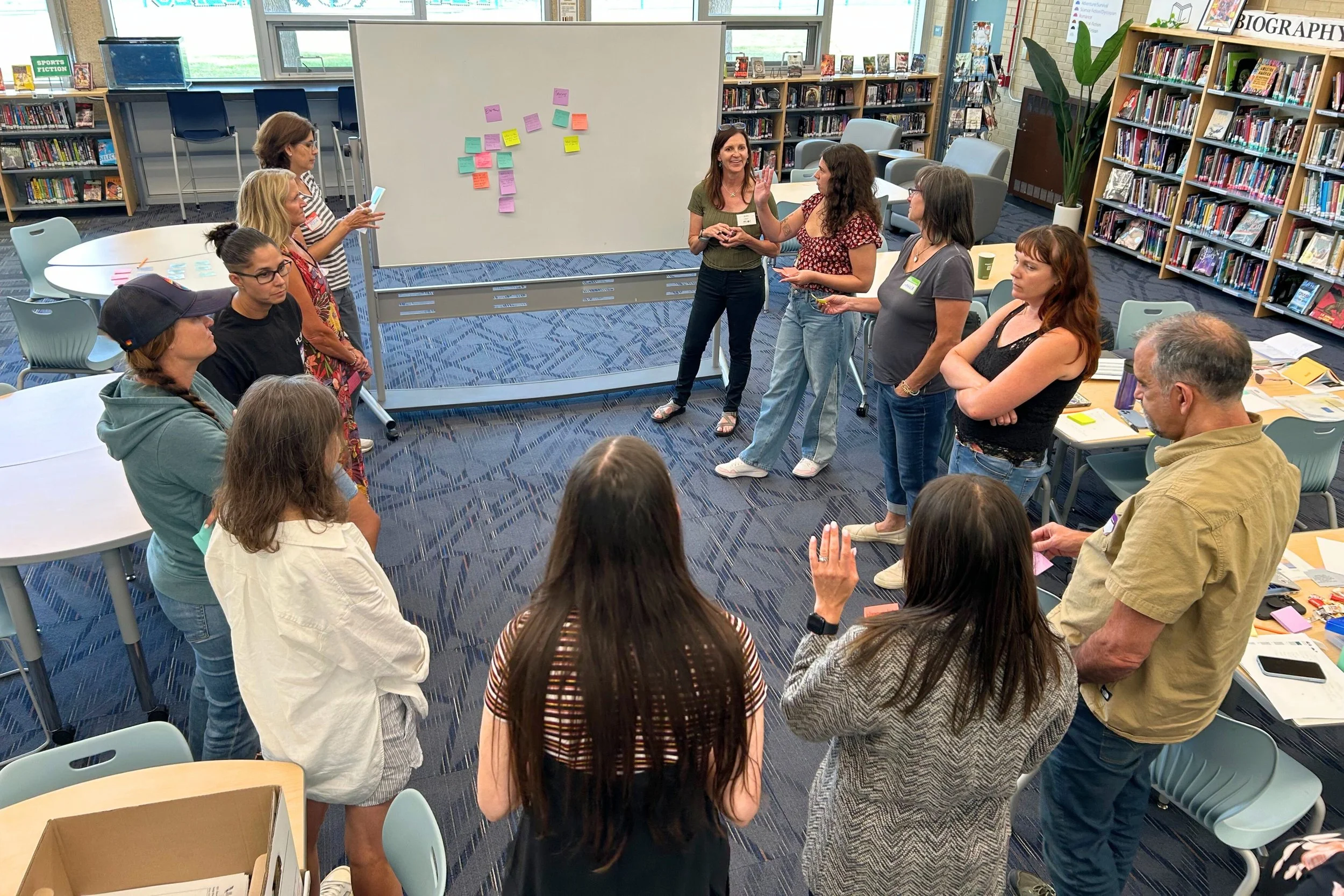
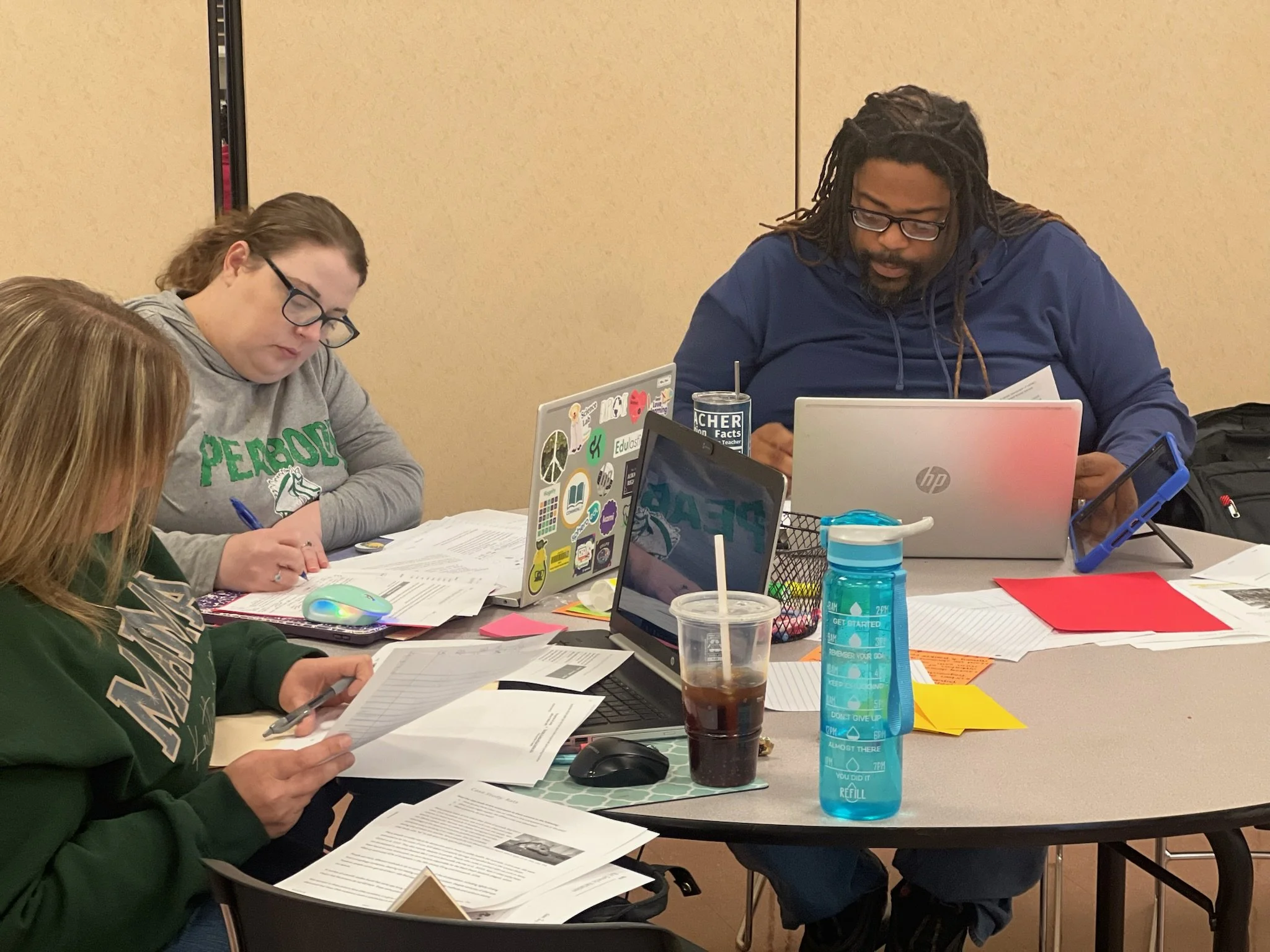
Following the successful release of the OpenSciEd high school curriculum, which received top "all-green" ratings from EdReports, we built on this strength in 2025. We partnered with multiple school districts to support the thoughtful implementation of OpenSciEd Biology, Chemistry, and Physics. Rather than offering one-time workshops, we focused on building long-term relationships—working alongside educators and leaders to strengthen instructional practice, build local capacity, and sustain high-quality science teaching over time.
Our Growing Network in 2025
We pursue our vision for a more inclusive and community-centered future for STEM through sustained partnerships with educators and schools. Together, we create learning environments where students’ experiences and perspectives strengthen STEM learning. In 2025, this work reached:
18
districts
4
states
400+
teachers
25,000
students
“I'm excited to bring more phenomena-based learning into my classroom. I can't wait to try the strategies we practiced to help students generate questions & use their curiosity to drive our investigations.” - Jaime M.
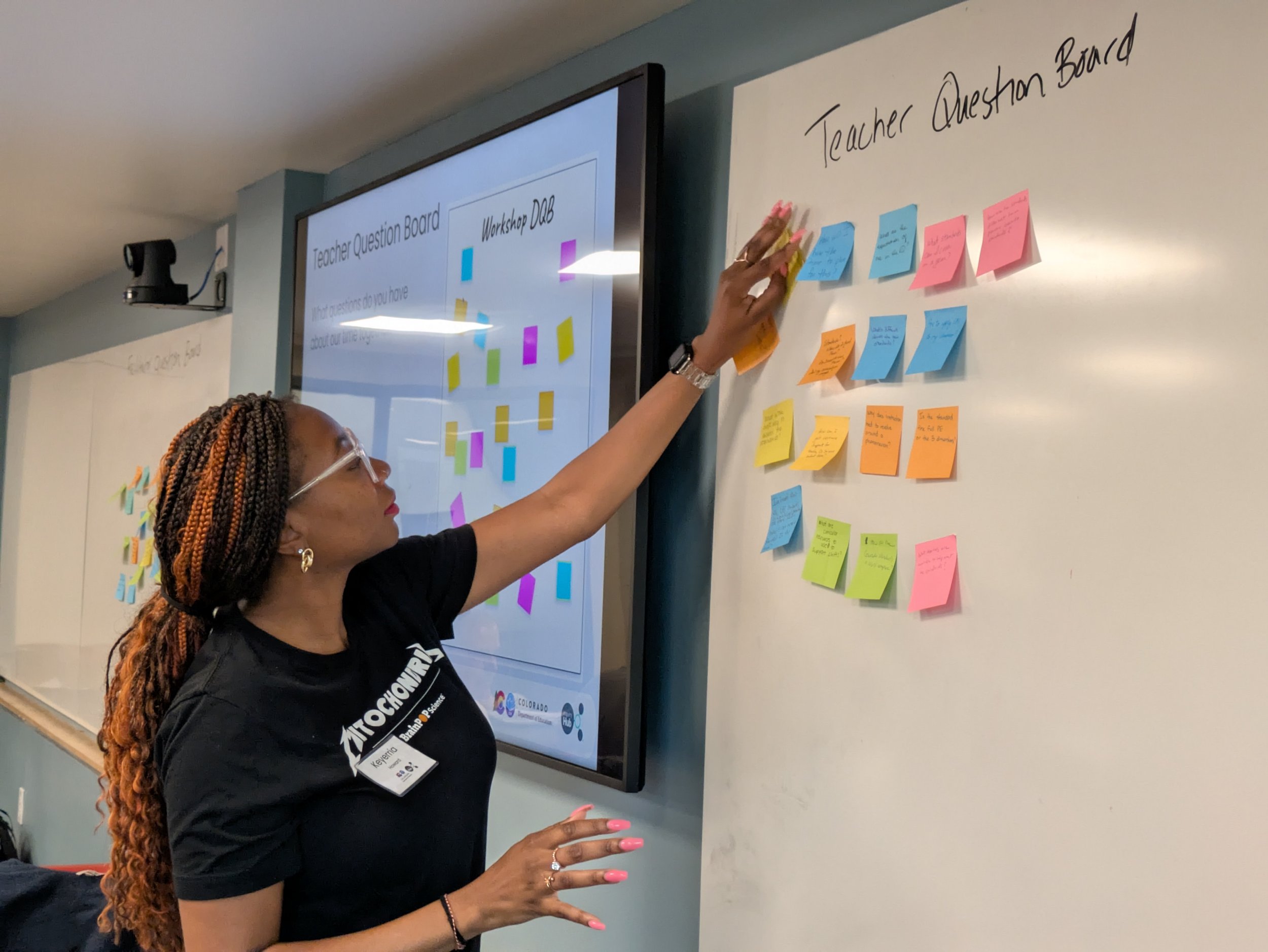
In partnership with the Colorado Department of Education, we led a statewide initiative to support implementation of the Colorado Academic Standards for Science. In June, 18 teachers from across the state came together for facilitator training. Between August and December 2025, inquiryHub hosted sixteen free Science at its Peak workshops across the state, serving more than 250 teachers and school leaders. Teachers and school leaders explored the Colorado Academic Standards for Science, investigated the role of phenomena in organizing instruction, experienced phenomena-based teaching in action, and identified classroom resources to support implementation. Data collected from the workshops showed that a majority of teachers found the topics useful, and after attending, plan to implement phenomena-based instruction, more student questioning, and new curricular resources in their classrooms.
Co-Designing What’s Next
Our commitments to equity, care, and respect shape how we work. We believe the strongest solutions are built alongside the educators and communities they serve.
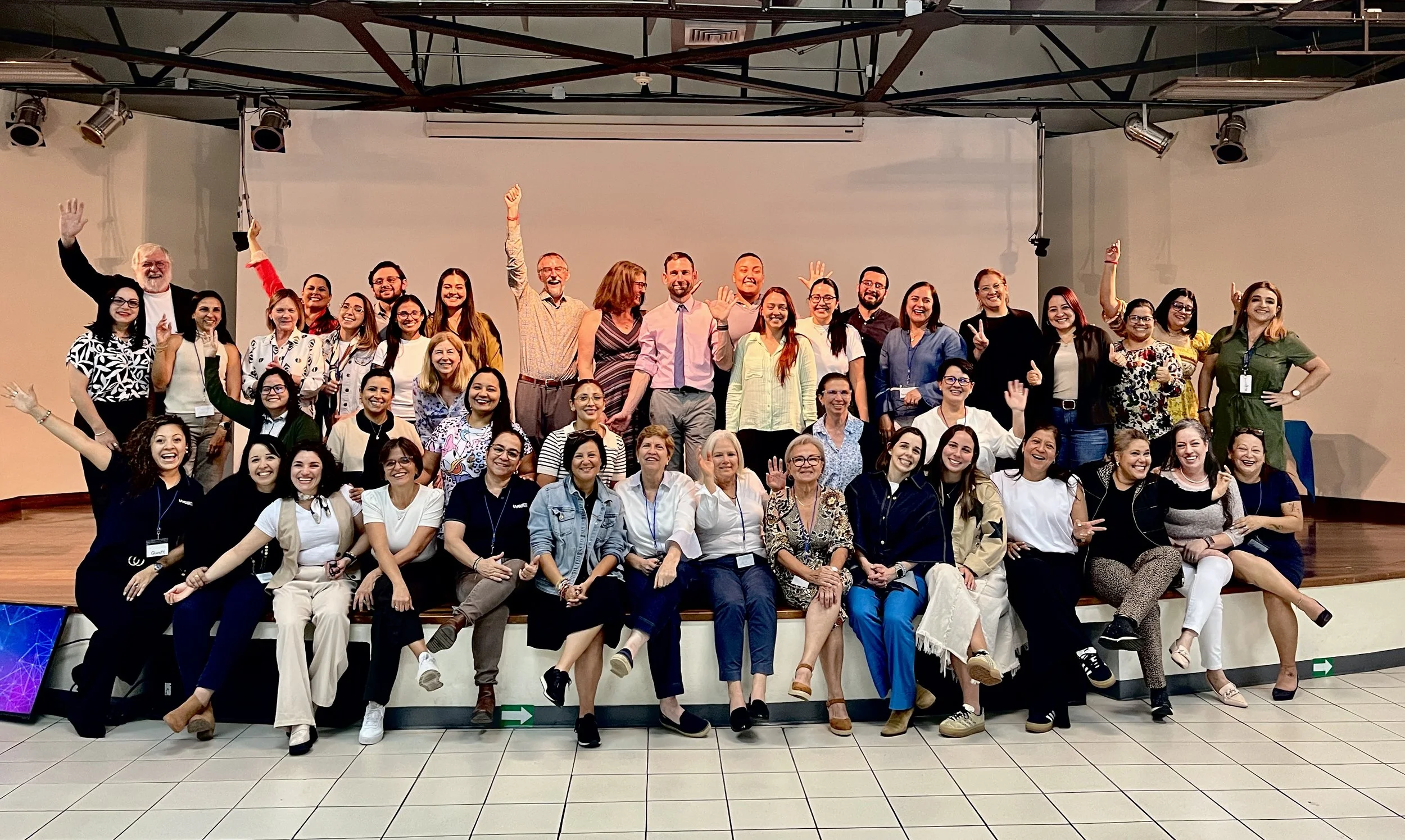
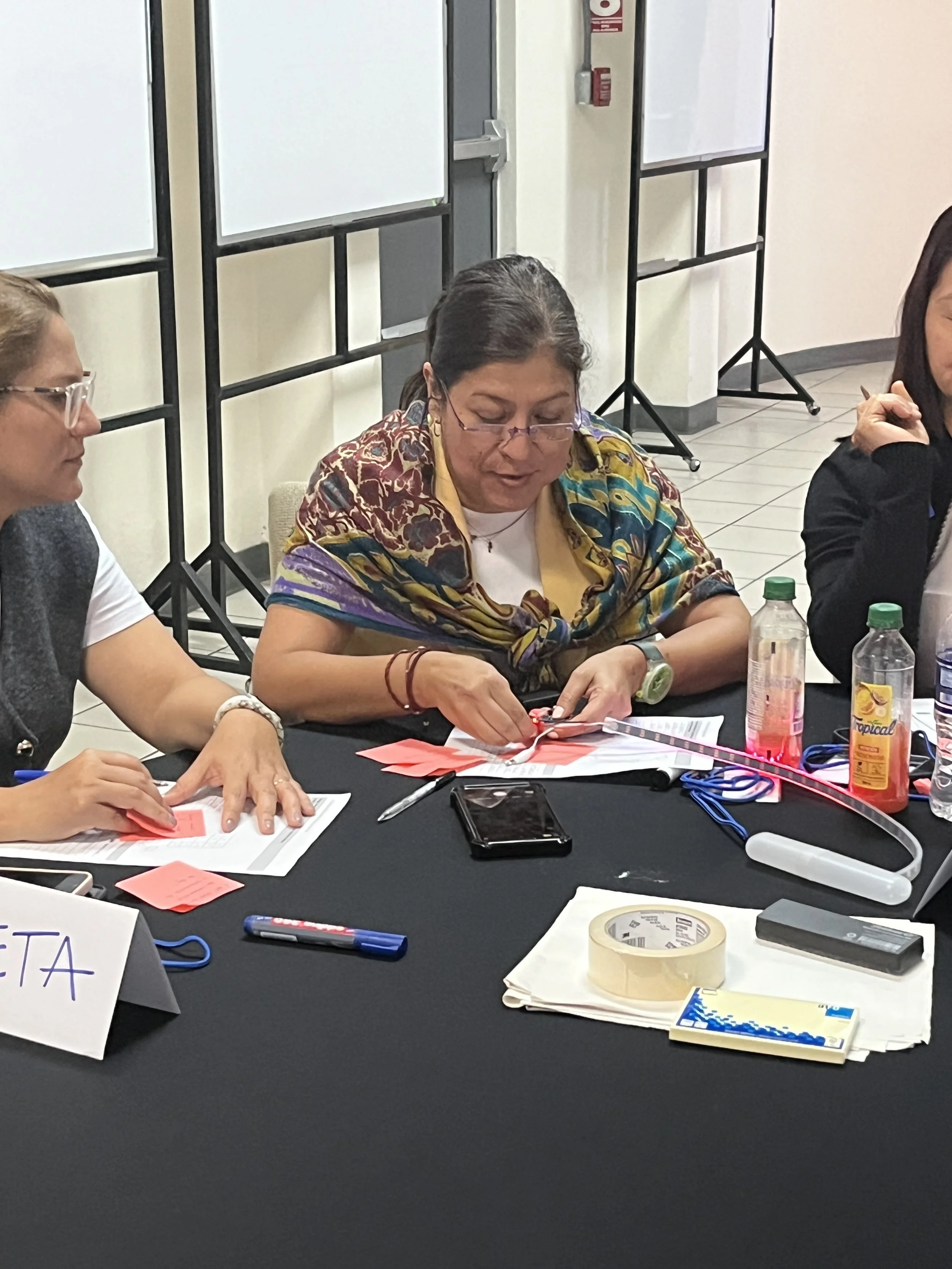
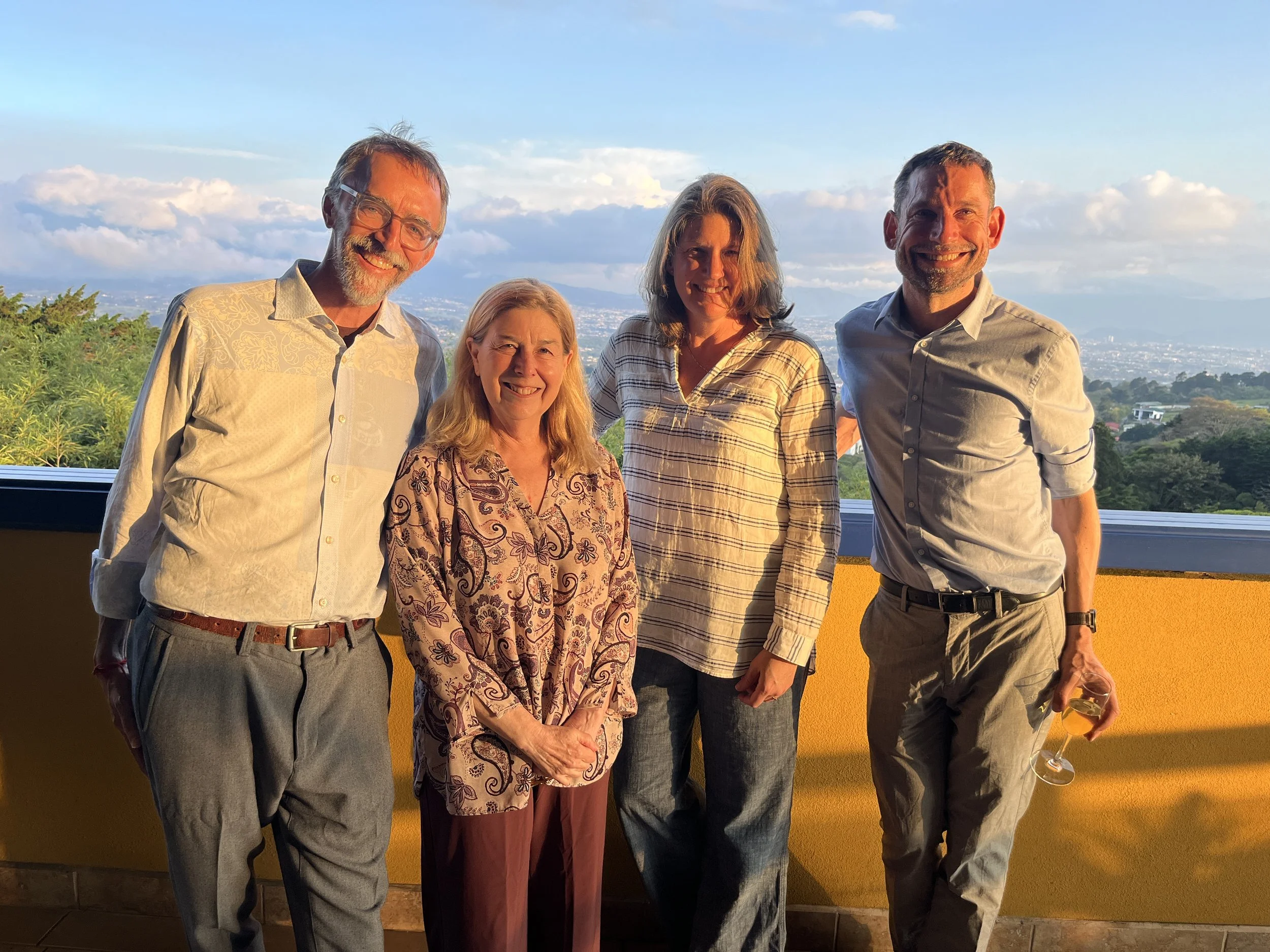
Our work is strongest when it is collaborative. Through intentional co-design with districts, partners, and educators, we developed and piloted new learning experiences grounded in local context and emerging needs. Our team provided a professional learning institute in Costa Rica for teachers, administrators and government leaders. During our 3-day workshop, we created a draft storyline of a sustainability unit.
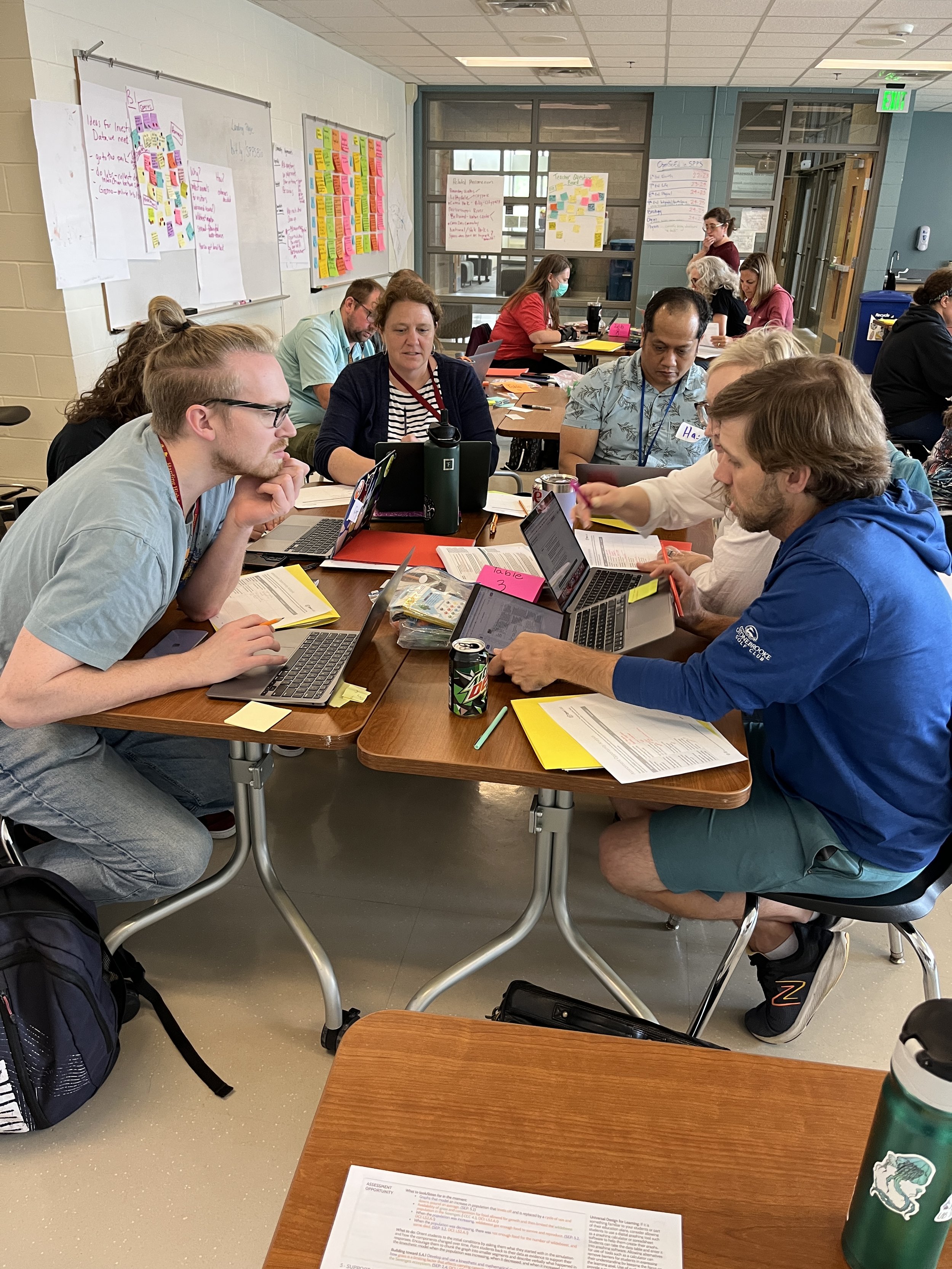
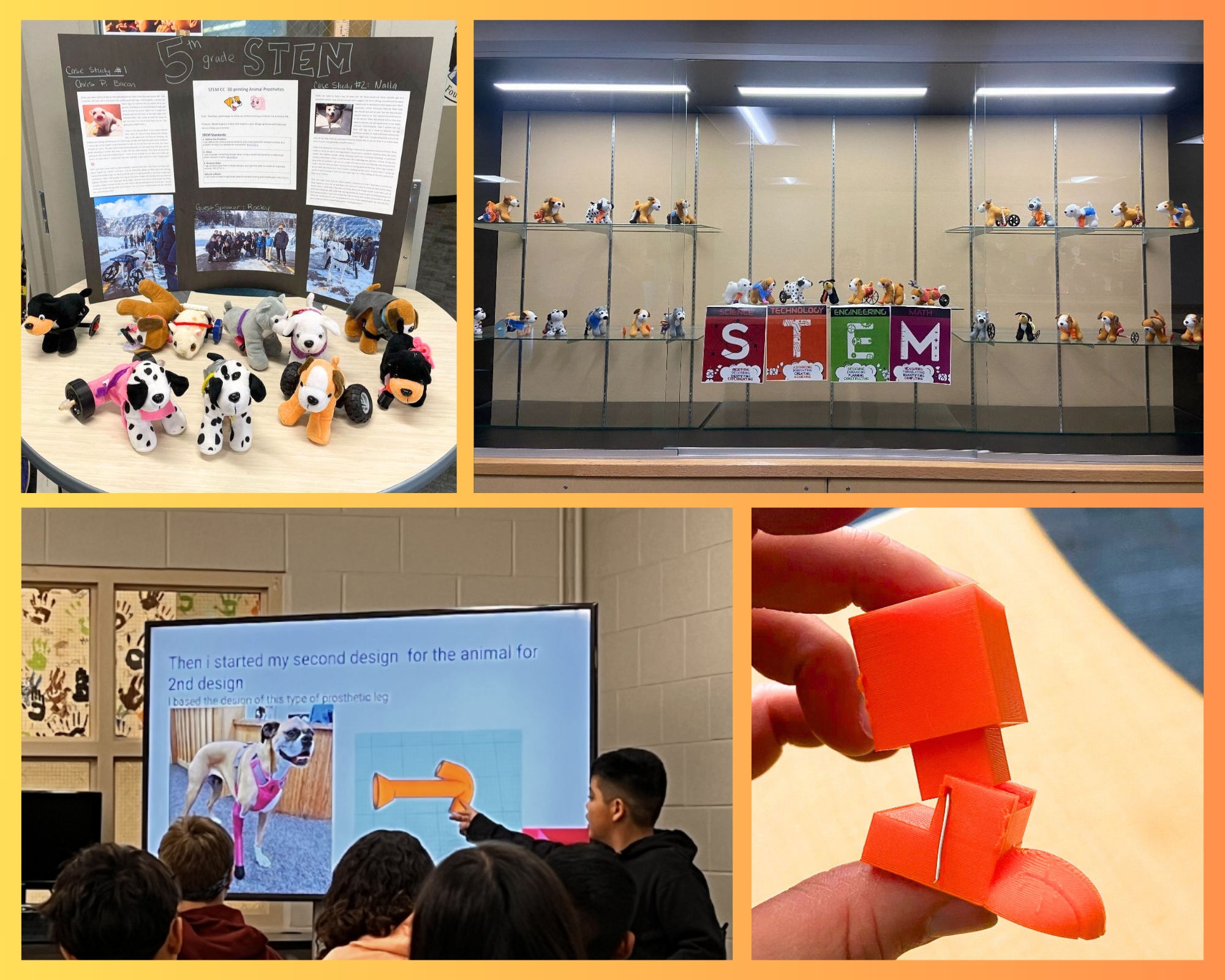
As new technologies reshape classrooms, we worked side-by-side with educators and leaders to thoughtfully integrate innovation into curriculum and professional learning. In collaboration with Colorado Education Initiative’s program ElevateAI, we provided co-design sessions with districts to support the integration of AI in middle school computer science curriculum. Two district units for 7th grade were co-adapted and piloted, including a unit on animal prosthetics. The units are scheduled to be released broadly in the 2026-2027 school year.
Improving Through Research
Just as we design in partnership, we refine through reflection and evidence. Research helps us understand what’s working, where we can grow, and how to better serve educators and students.
In 2025, we received funding for research projects spanning AI integration, equity initiatives, and more — supporting work that drives real impact in classrooms and communities.
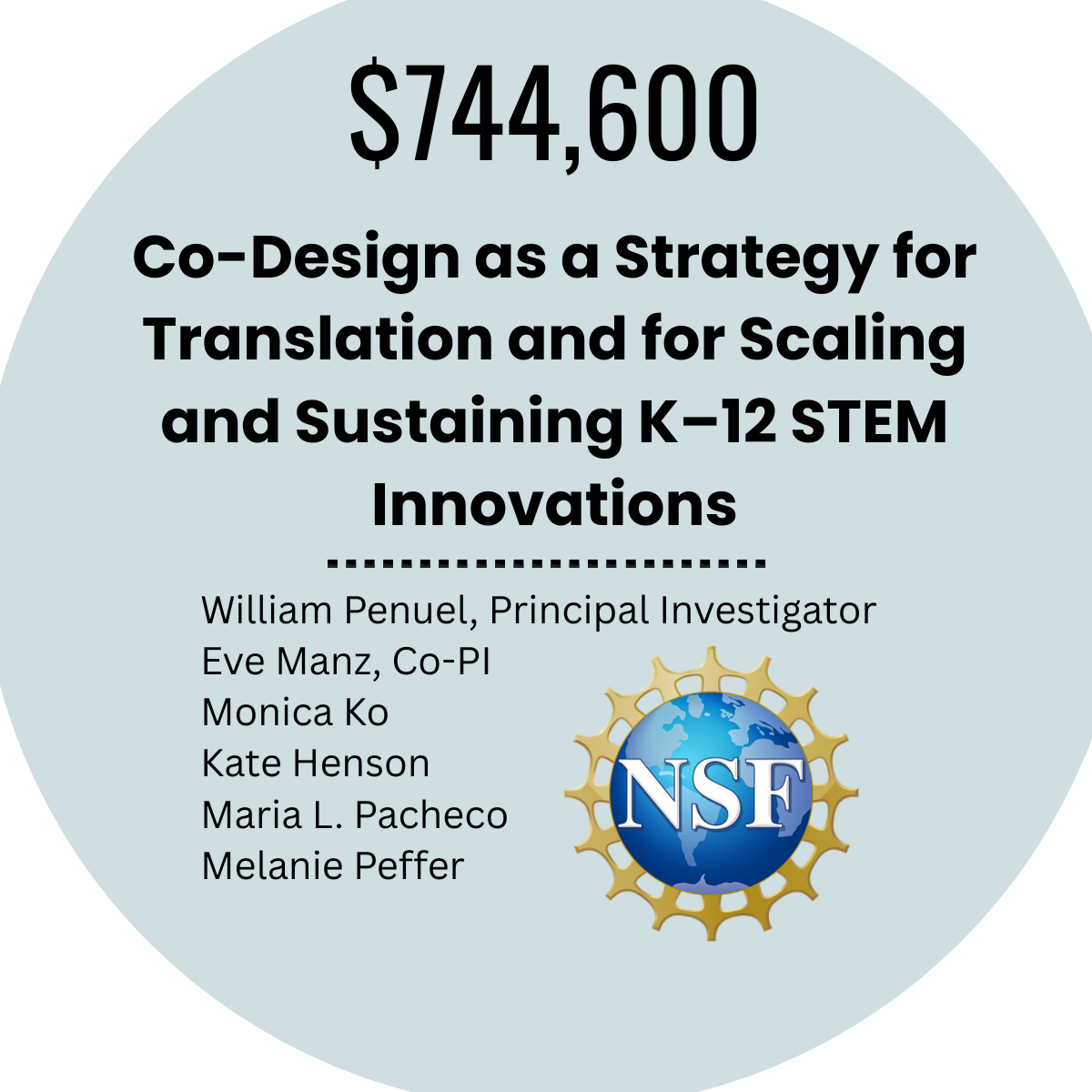
“Co-Design as a Strategy for Translation and for Scaling and Sustaining K–12 STEM Innovations”
Despite a dramatic surge in co-design practice across education research, little empirical evidence exists on whether — or under what conditions — co-designed innovations successfully scale and sustain beyond their original settings. This project will conduct a rigorous, mixed-method study across 100 DRK-12 and ITEST projects to examine how co-design varies in practice, what processes lead to durable and scalable outcomes, and how teams navigate key challenges. Findings will yield both an empirically grounded model of co-design and actionable guidance to help future research teams structure collaboration that translate into lasting improvements in K-12 STEM education.
2025 Award Highlights
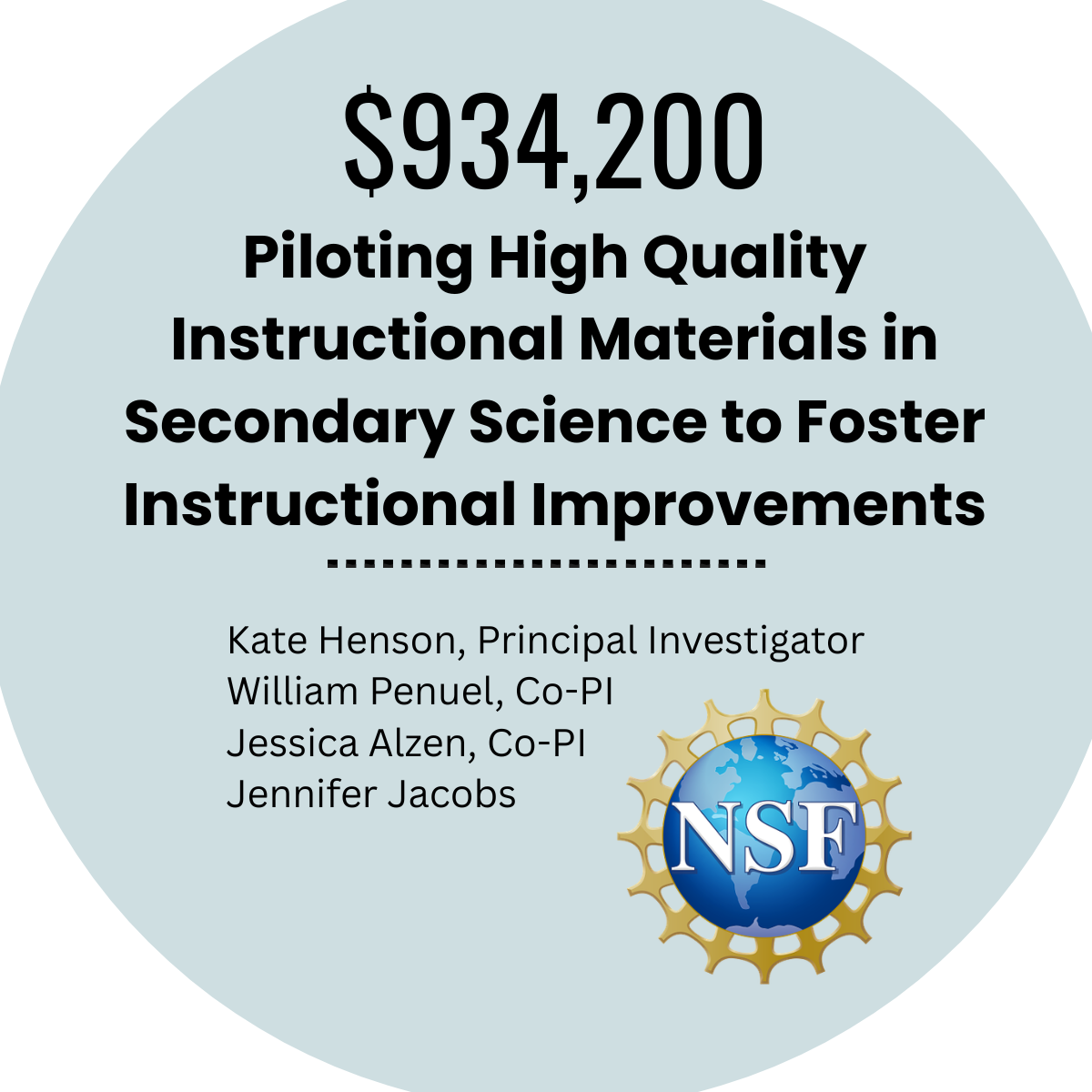
“Piloting High Quality Instructional Materials in Secondary Science to Foster Instructional Improvements”
Preparing students for tomorrow’s STEM workforce requires science instruction that helps them explain real-world phenomena and solve problems collaboratively. Through a research–practice partnership with Weld RE-4 School District, this project studies how districts can select and implement high-quality science instructional materials. Using an improvement-oriented approach, the work will result in a publicly available toolkit for other districts.
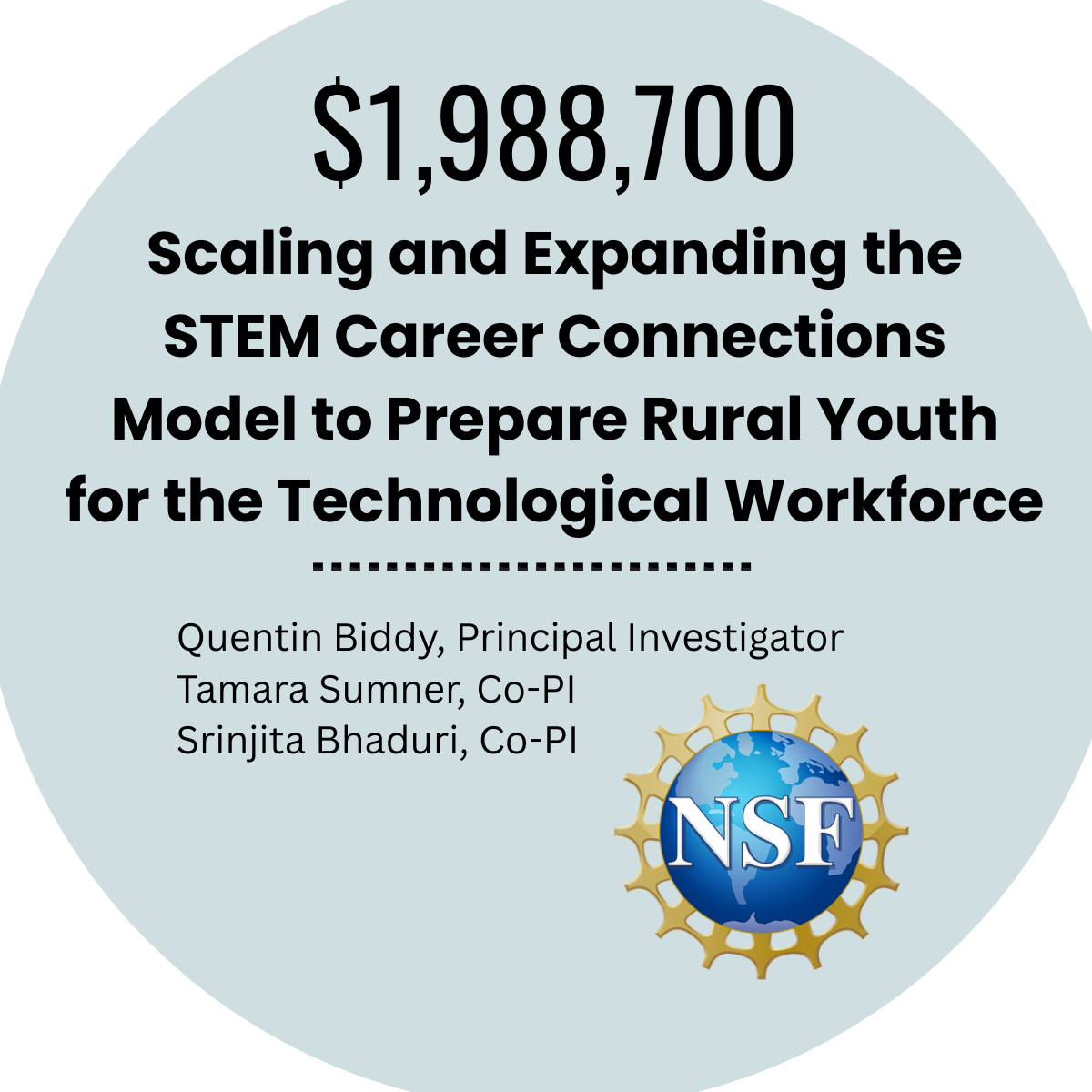
“Scaling and Expanding the STEM Career Connections Model to Prepare Rural Youth for the Technological Workforce”
This project will expand middle and high school students' proficiency in technology design, computer programming, and deploying sensor systems using core curricula aligned with national standards for computer and network technologies, sensor technologies, and big data. By developing community partnerships, workplace apprenticeships, and mentorships, the project broadens students’ access to STEM career pathways in rural mountain communities. Findings will inform effective practices for rural technology education and guide partnerships that support equitable access to STEM opportunities in rural communities.
We appreciate additional support from these agencies:


Ongoing partnerships with these organizations deepen our learning and strengthen our impact:
The Collaborative for Advancing Science Teaching and Learning in K-12 (CASTL-K12)

Coming Up in 2026
As we look ahead, we remain focused on working alongside educators and school districts to advance meaningful science learning.
In the coming year, we will expand professional learning opportunities that support teachers in bringing phenomenon-based instruction into their classrooms. We will also continue refining assessment tools that better capture how students make sense of scientific ideas and connect learning to their experiences. At the same time, we are deepening long-term partnerships with districts to support sustained implementation of high-quality instructional materials. We’re especially excited about a new grant that will allow us to take our curriculum in bold new directions—details coming soon.